Since the beginning of the project, we have managed to:
Since the beginning of the project, we have managed to:
Since the beginning of the project, we have managed to:
feasibility studies and preparatory documents
methodologies and proposed measures
outputs for both professional and general audiences
indicator habitats and species / species complexes
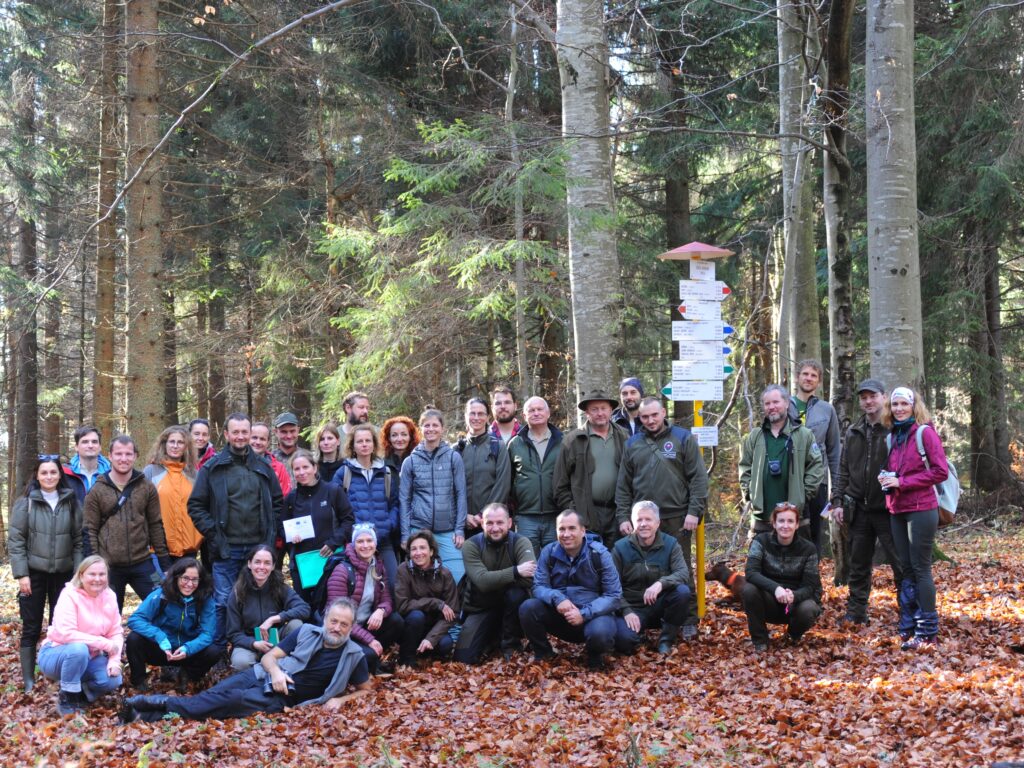
trained professionals from the State Nature Conservancy of the Slovak Republic, Muránska Planina National Park, farmers, foresters, inspectors and agri-environmental advisors
schoolchildren learned about the Natura 2000 network
Preparatory actions
During the preparatory project activities, we worked on four major areas, focusing on the following tasks:
In the summer of 2026, the publication Catalogue of Management Measures for Non-Forest Habitats of European Importance was prepared. The catalogue represents a new standardized tool designed to support the management of widespread habitats, such as hay meadows, as well as the conservation of rarer habitat types, including salt marshes, fens, and peatlands in Slovakia.
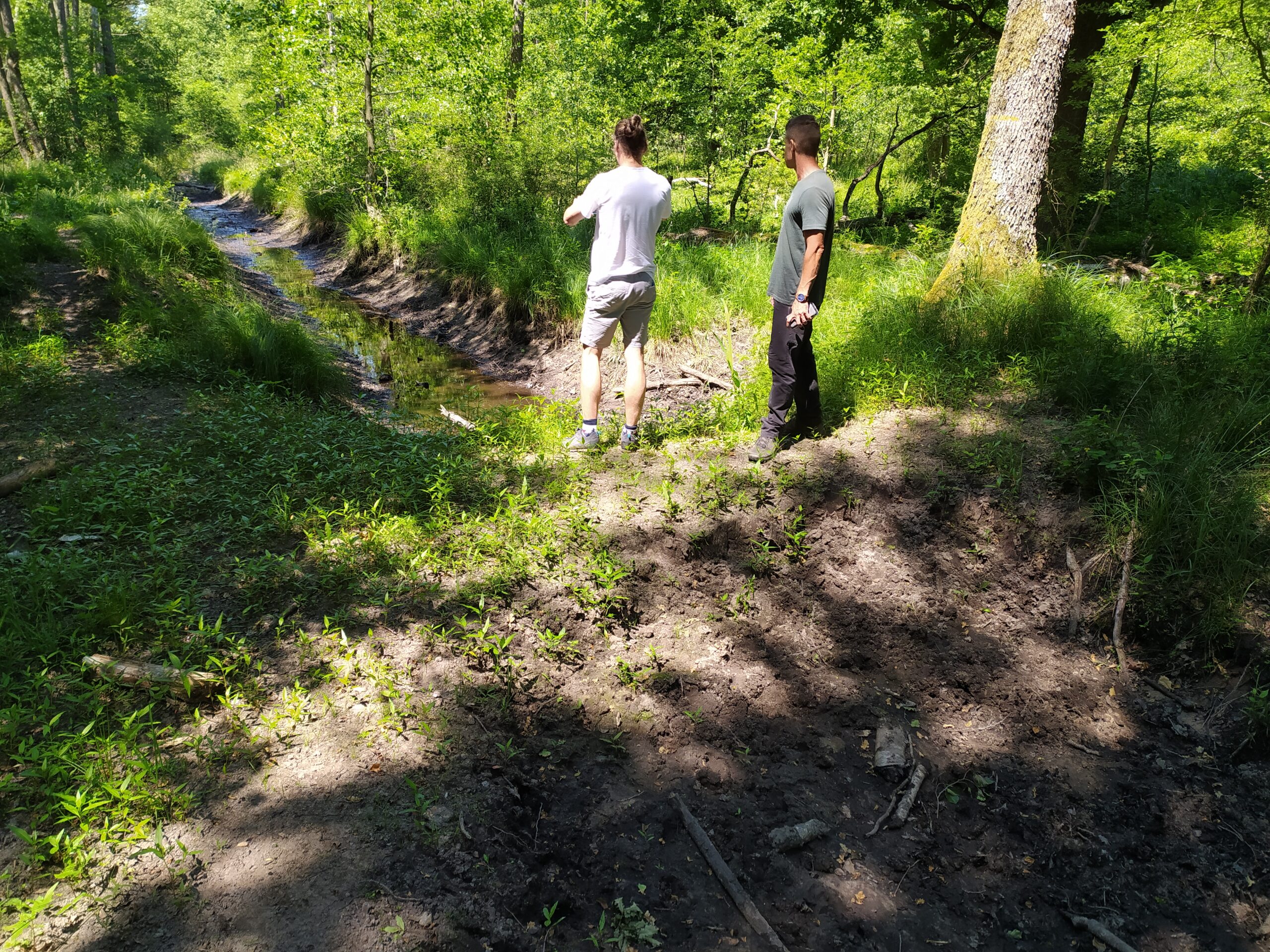
Concrete (conservation / implemetation) actions
During the project implementation phase, we have seven activities focusing on the introduction of specific management measures. This is what makes our project unique.
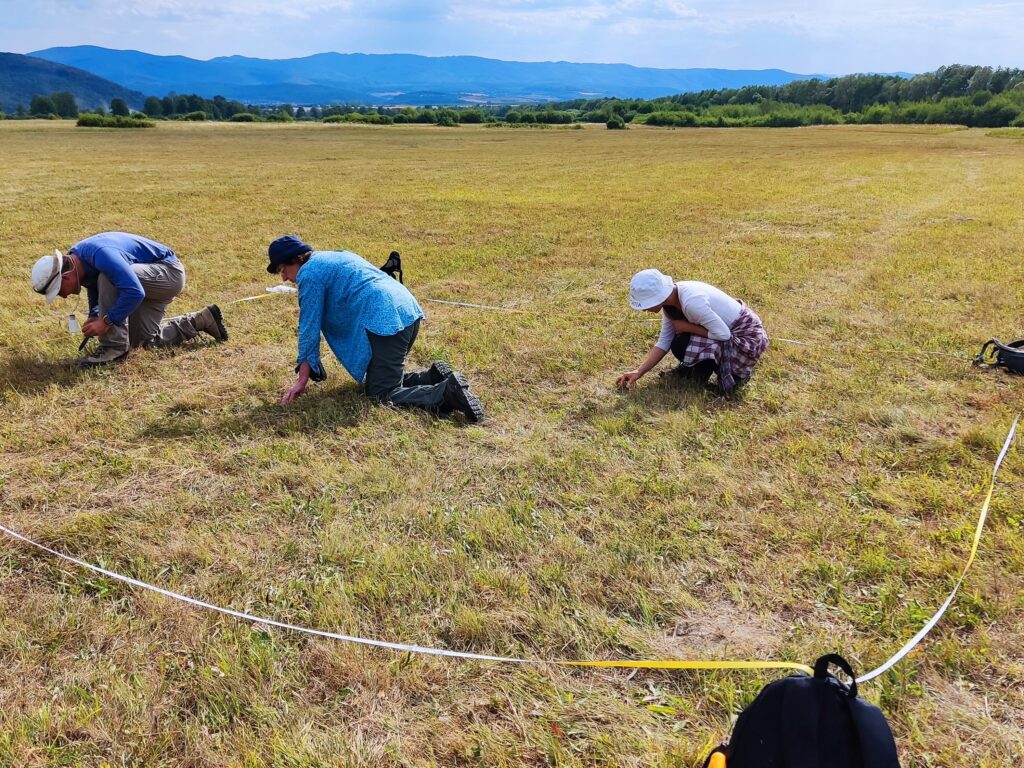
More than 16,000 species records have contributed to the verification of the occurrence of species and habitats, which was coordinated and methodologically managed by the Daphne – Institute of Applied Ecology. We focused on Natura 2000 protected areas where up-to-date information on conservation objectives was missing. The verification lasted three years and involved 80 experts. The data was uploaded into the Complex Information System of the State Nature Conservancy of the Slovak Republic and is also available in this clear map database.
We are currently working on establishing a system for evaluating the effectiveness of management programmes for 20 Sites of Community Importance. In cooperation with national park administrations, land managers and the State Nature Conservancy of the Slovak Republic, we are preparing a unified system for recording management measures for both forest and non-forest habitats and species. This work also includes transferring data from 20 sites into the database of the State Nature Conservancy of the Slovak Republic and linking it with monitoring data. The aim is to achieve more accurate records of implemented measures and an exact evaluation of their impact on species and habitats of European importance, which are listed as conservation objectives in protected areas.
This is the most extensive project activity and is therefore divided into several sub-activities:
C.5.1 Protection and restoration of peatland habitats through management centres.
Within this activity, practical restoration of peatland habitats continues through the work of management centre staff. At the beginning of 2026, management measures were implemented in the Sites of Community Importance Slaná Voda (Horná Orava Protected Landscape Area), Medzi Bormi (TANAP), and Klokočovské peatlands (Kysuce Protected Landscape Area), focusing mainly on the removal of successional woody vegetation and biomass, as well as on restoring suitable conditions for peatland habitats.
In June, the work continued at the Biela Orava peatlands site (Mútne), where restoration management was carried out over an area of more than 8 hectares. At the same time, communication with landowners is ongoing in order to obtain the necessary consents for the implementation of planned measures. Newly acquired equipment, including tractor machinery, was also used in the management of the sites.
C.5.2 Establishment of agroforestry systems.
In the Záhorie and Poľana project areas, agroforestry systems were restored or established over 72.3 ha. At Vrchdetva in the Poľana area, management activities were carried out on 26.4 ha of juniper pastures to conserve the habitat Common Juniper Stands and restore sheep grazing, without which this habitat in Poľana would be at risk of disappearing. In the Záhorie area, new agroforestry systems were established on 45.9 ha of arable land at Rúbanice and Na dieloch. Old varieties of apple and pear trees are being mapped in the Poľana project area. Results were published in the Catalogue of old and traditional fruit tree varieties cultivated in the Podpoľanie region. New varieties were last added in January 2026 (Download tab). The NLC has started propagating seedlings of the mapped apple and pear varieties, which were used to establish a variety archive in Hriňová and at the NLC facility in Zvolen.
C.5.3 Integrated nature conservation and landscape management.
Poľana:
We have successfully restored habitat for the species of European importance Thesium ebracteatum within the Hradné lúky Site of Community Importance (SCI) over an area of 33.21 ha, exceeding the original target of 30 ha. At the same site, a suitable location was selected for the creation of a small water body covering approximately 0.5 ha, which will provide new conditions for the establishment of habitats for Eleocharis carniolica and other aquatic invertebrate species. Technical and biological documentation for the construction of the pond in the cadastral area of the municipality of Dúbravy is currently being prepared.
Restoration of grassland habitats at the Hradné lúky site is also continuing through mosaic mowing. The first phase of mowing was carried out in April 2026 over an area of 17 ha out of the planned 70 ha.
As part of the restoration management of mountain meadows in the Poľana area, management measures are being prepared for selected sites in the cadastral territories of Očová and Hriňová. The objective of these measures is to restore valuable mountain meadow habitats and maintain their importance for species dependent on open landscapes.
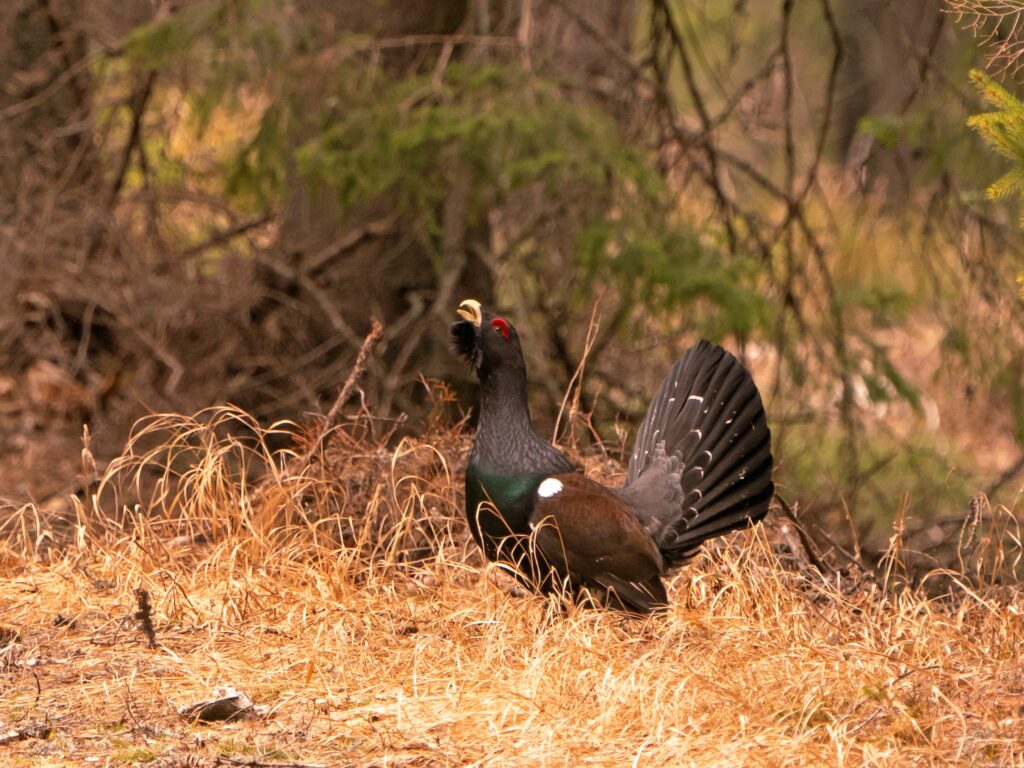
To support the Western capercaillie (Tetrao urogallus), forestry measures are being prepared in forest stands of different age classes. In younger stands up to 50 years old, the measures will focus on improving stand structure and habitat conditions for the species. In older stands, cooperation with the Forests of the Slovak Republic, State Enterprise, continues in preparing measures that promote close-to-nature forest management and the preservation of suitable habitat for the Western capercaillie.
Muránska Planina: In cooperation with the hunting association Voniaca and Tisovec Municipal Forests, approximately 13,6 ha of meadows were restored for target species Maculinea arion and Parnassius apollo. Restoration included removal of encroaching trees and subsequent mowing in Martinkuľa, Tomovka, Dížďovnica, Voniaca, Vrbjarka, Fabova hoľa meadows, and the Dielik quarry and Muráň quarry. Conditions were also improved for target species Anthus trivialis and Lanius collurio. For the protection of Pseudogaurotina excellens , over 110 ha of its habitats were mapped, marked in the field, and measures were implemented to protect its host plant, the black honeysuckle, during forestry activities. Work has begun on improving the habitat for the capercaillie (Tetrao urogallus) (“management of young forest stand”) by thinning existing forests up to 50 years old. By the end of Q2 2026, this had been implemented in 10 forest stands covering an area of 29,14 ha. A specific hunting management plan has been designed and is being implemented in the Poľana and Muránska Planina areas to reduce predation by 30–40% on the Western Capercaillie (Tetrao urogallus) in these SCI sites (Download tab). Measures to improve Capercaillie habitat conditions continue, along with monitoring through field observations and camera traps.Záhorie: Project documentation is being prepared for the restoration of the Morava River banks. An addendum to the feasibility study has been completed, identifying the Hanšpíle site (Rudava site) as a priority area for restoring the natural water regime. In 2024, the distribution of black locust (Robinia pseudoacacia) was mapped and updated across 90 hectares in the Kalaštovský bor Nature Reserve and the Kalaštovský potok Nature Reserve. In autumn 2025, chemical eradication of black locust was carried out in the Kalaštovský bor SCI and the Kalaštovský potok SCI. A second follow-up treatment targeting surviving individuals will be carried out in 2026.
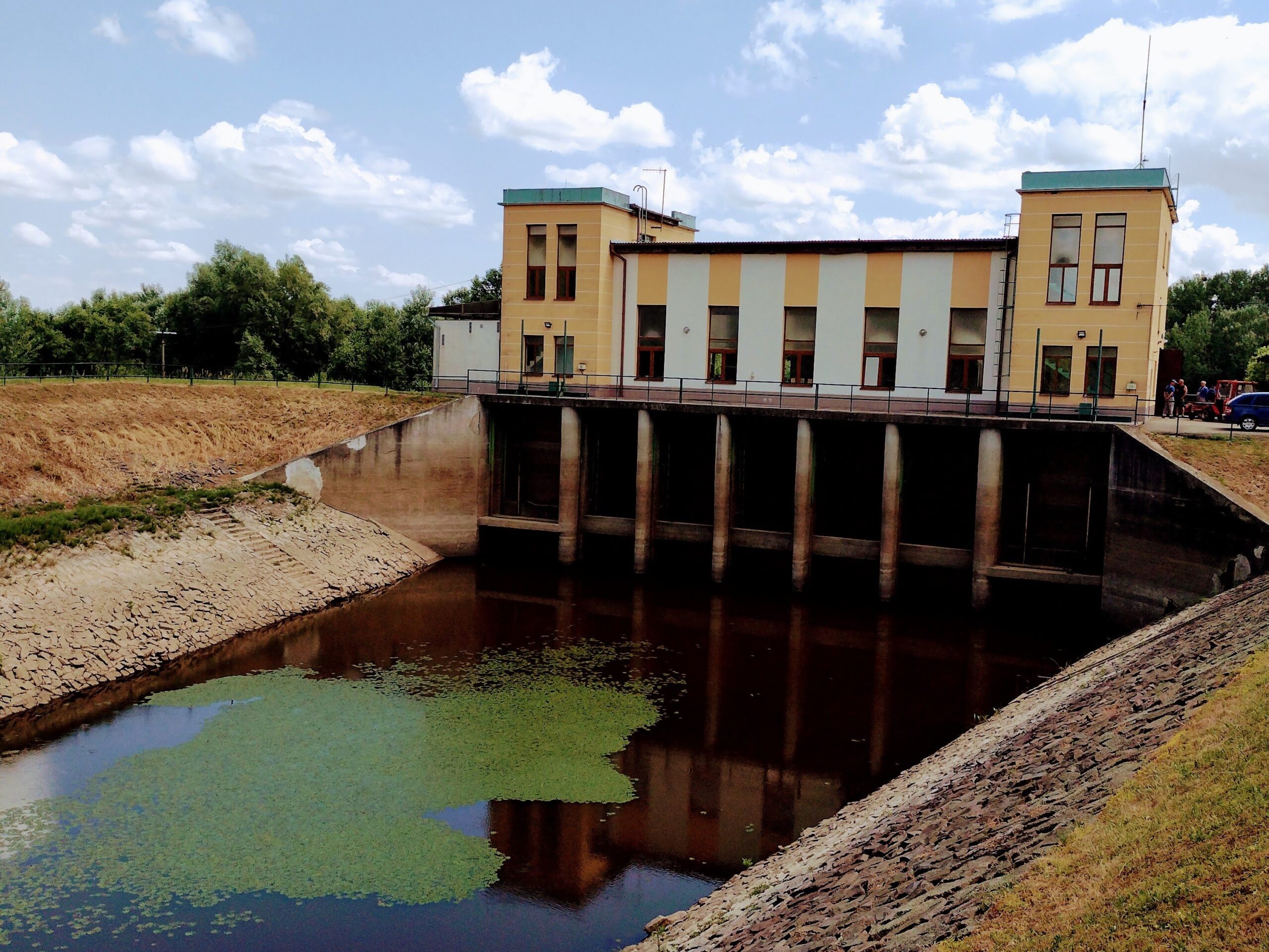
At the Hanšpíle site (Rudava SCI), staff of the Záhorie Protected Landscape Area Administration implemented water retention measures on drainage channels by constructing simple manual barriers. The effectiveness of these measures will be continuously evaluated through water level monitoring, and the barriers will be adjusted if necessary. At the same time, negotiations are ongoing with the project area manager, Military Forests and Estates of the Slovak Republic (VLM SR, š. p.), to conclude a framework cooperation agreement for the implementation of additional measures.
Planned measures include the planting of pedunculate oak in the Rudava SCI to promote the introduction of native broadleaved tree species into pine stands and to improve the ecological stability of forest habitats. Planting is expected to take place in autumn 2026. During the summer of 2026, the restoration of sluice gates on drainage channels is also planned in the Rudava SCI to improve the area's water regime. In the Kaltenburk SCI, the creation and restoration of seasonal wetlands for amphibians and other aquatic organisms is planned through the restoration of the natural water regime.
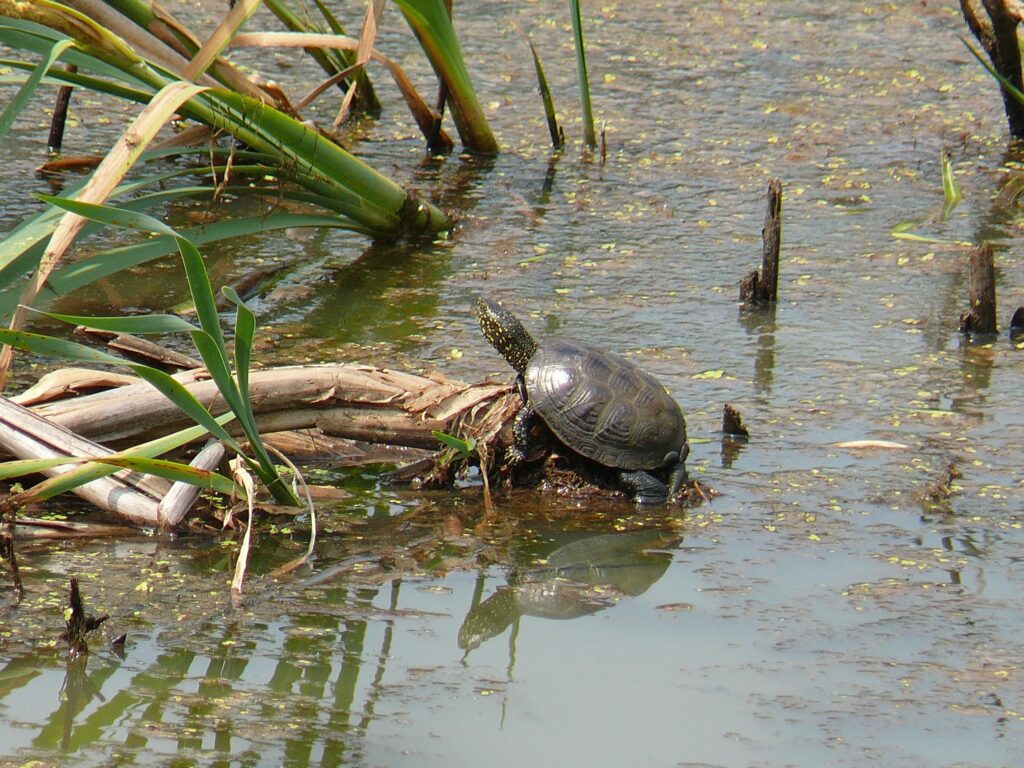
Latorica:In the Latorica Protected Landscape Area project site, restoration of habitats important for the European pond turtle (Emys orbicularis) and other protected species continues across an area of 30 ha. At the SKUEV0019 Tarbucka site, grassland habitats have been restored through the removal of encroaching and invasive woody species, improving conditions for a range of plant and animal species. The measures included manual site clearing, removal of invasive woody species, particularly black locust (Robinia pseudoacacia) and tree of heaven (Ailanthus altissima), as well as biomass removal across an area of 12.09 ha.
At the Tajba and Tice sites, preparation of measures aimed at restoring and improving the water regime of habitats for the European pond turtle continues. The necessary approvals and permits for the implementation of interventions have been obtained, and the Chotárny channel has been cleaned to ensure water supply to the Tice side arm.
Within this activity, the search for land parcels suitable for purchase in the project areas continues, together with ongoing communication with landowners. At Vysoká Bazička (Belianske lúky), land covering an area of 1.472 ha was purchased for the restoration of peatland habitats. At the Tarbucka site, management of 12 ha of land was secured through leasing in order to protect xerothermic grassland communities and the species Iris aphylla subsp. hungarica.
In the Záhorie area, the process of land acquisition under the state’s pre-emption right continues, with the aim of acquiring land into the ownership of the State Nature Conservancy of the Slovak Republic. Land parcels in the cadastral area of Plavecký Peter have already been purchased, while negotiations regarding additional parcels in the cadastral area of Lakšárska Nová Ves are ongoing.
In the Horná Orava Protected Landscape Area and other project sites, communication with landowners continues with the aim of securing land purchases or long-term leases. Land parcels important for the conservation of wetland and peatland habitats have been identified, and negotiations with landowners and land associations are ongoing.
An analysis of available GIS (Geographic Information System) data was prepared for the assessment of ecosystem services in order to identify missing data requiring further mapping.
As part of the activity, the development and updating of a nationwide ecosystem map continues, incorporating available data from field mapping and Earth remote sensing. The work includes data processing and harmonisation, as well as updating the classification of ecosystems according to the EUNIS classification system and the new Catalogue of Habitats of Slovakia.
Field mapping and verification of ecosystems are ongoing in the project areas. The results will subsequently be used as a basis for ecosystem service assessments, the preparation of case studies, and the design of approaches for applying the results in Natura 2000 site management planning.
Monitoring of the impact of the project actions
The monitoring phase has been ongoing practically since the beginning of the project, as it was necessary to monitor all parameters before the implementation of management measures. Within the monitoring framework, we focus on four activities:
Based on the Methodology for Monitoring the Impact of Specific Project Activities on Biodiversity, developed during the first phase of the project, a baseline monitoring survey was carried out. In 2024, a Report on the baseline monitoring conducted at the project sites in 2022 and 2023 was published.
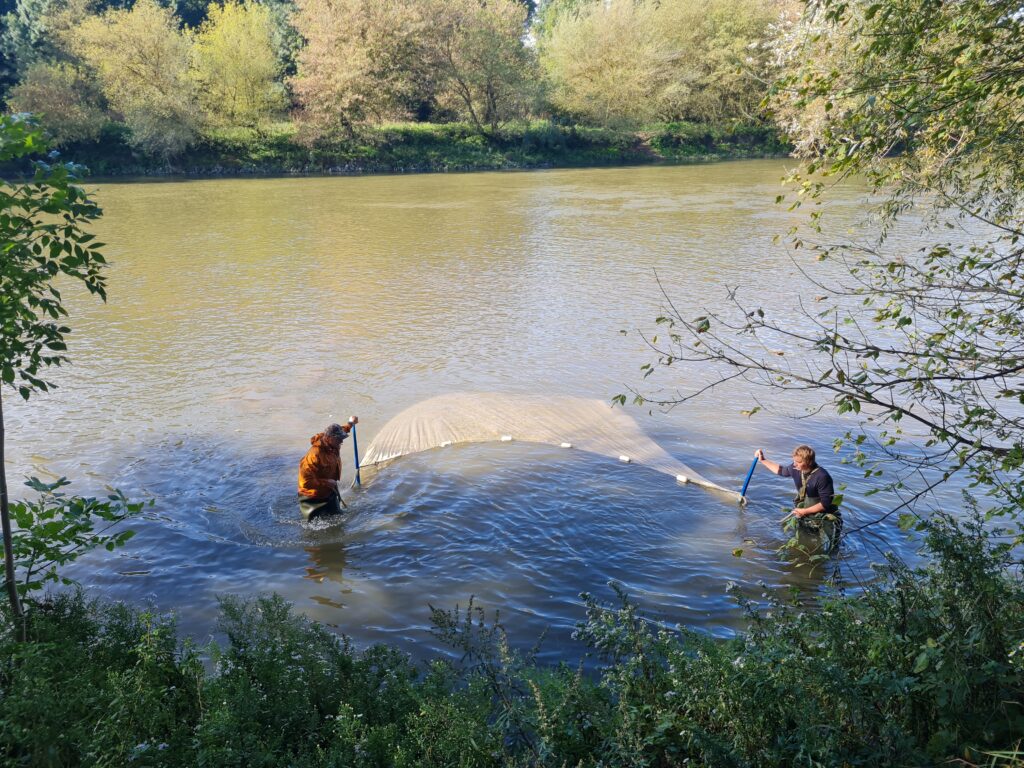
As part of the activity, monitoring of the impact of implemented project measures on biodiversity continues in four pilot project areas. The monitoring focuses on botanical and zoological species, including avifauna, as well as on assessing the condition of important habitats. Its aim is to evaluate the effectiveness of implemented measures and their contribution to maintaining and improving the state of biodiversity in the project sites.
In 2026, a cooperation agreement was concluded between the State Nature Conservancy of the Slovak Republic and the Faculty of Natural Sciences of Comenius University in Bratislava (PRIF UK) to ensure monitoring of species and habitats. The collected data will serve as a basis for evaluating the impacts of project activities and supporting integrated landscape management.
As part of the activity, a joint central database of management measures was created and launched to record implemented measures in Natura 2000 sites. The database enables standardised data collection through an online form, including the entry of spatial data and its subsequent use for monitoring the implementation of the Prioritised Action Framework (PAF).
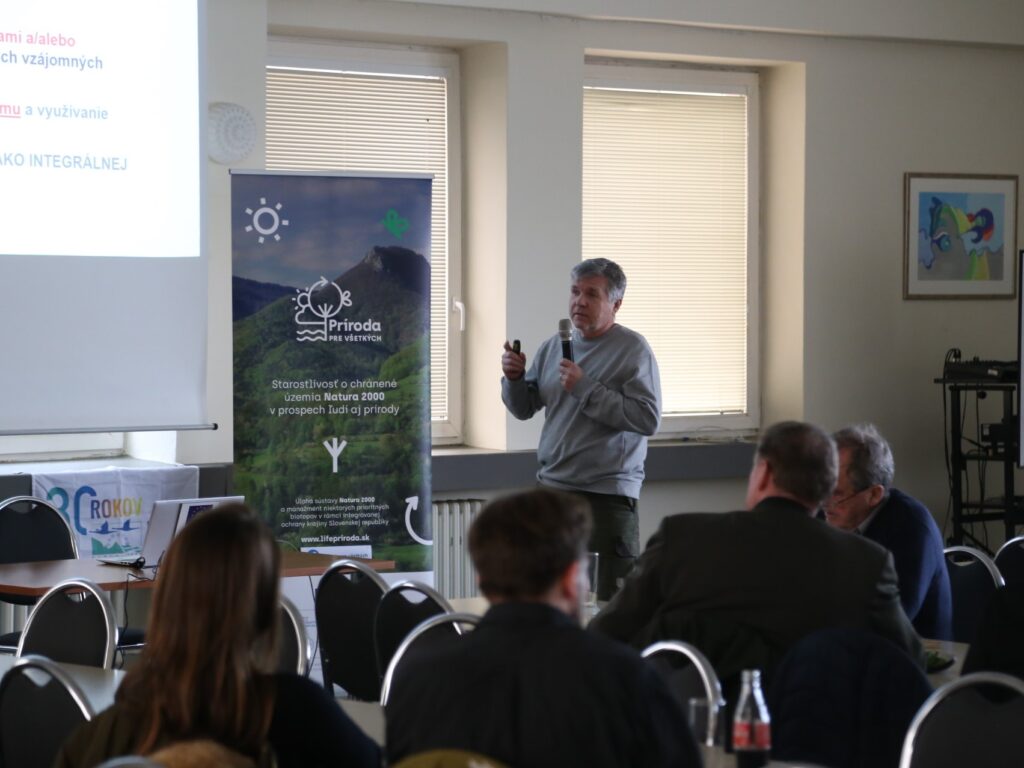
In 2026, modifications were made to the database, the online form and the management measures classification system to ensure a unified approach to data recording. On 16 June 2026, training on the recording of management measures and the proper use of the database was organised for project partners and other involved stakeholders, with almost 70 participants attending.
Data from selected Natura 2000 sites were gradually incorporated into the database, which was subsequently made available to the partners of the LIFE IP Natura 2000 SVK project.
Public awareness and dissemination of results
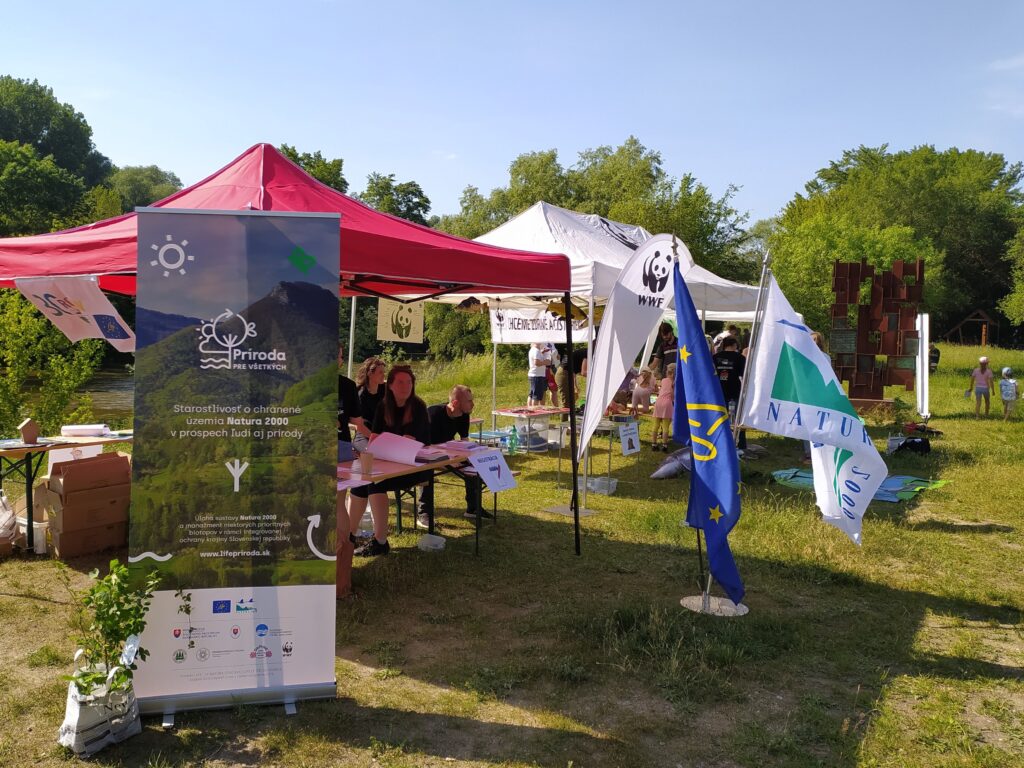
Raising public awareness of the Natura 2000 network and our project is one of our priorities. To ensure effective project communication and dissemination of its results, we focus on the following activities:
During the project, we have so far organised 30 Natura 2000 Day events and 10 pilot Natura 2000 weeks. At the same time, a set of educational and teaching materials has been created, which is used during individual activities and events. Educational activities aimed at raising public awareness of the Natura 2000 network and ecosystem services are taking place in all project areas.
We have created and printed 5 information brochures about the Natura 2000 network, one for each pilot site, as well as 7 types of educational materials – their online versions can be found on our website in the "Downloads" section.
In 2024 and 2025, we implemented a university teaching course on the Natura 2000 network and ecosystem services at the Faculty of Natural Sciences of Comenius University in Bratislava. Based on feedback, we have expanded the course and will continue implementing it at two universities.
We provide education for teachers and environmental education professionals working in protected areas on the topic of Natura 2000 network protection and ecosystem services. We incorporate these topics into strategic documents and educational materials for primary schools to raise awareness among the wider public. We involve pupils and students in the care of protected areas throughout Slovakia, giving them direct experience with practical nature conservation in their local surroundings.
We organise numerous experiential programmes and excursions for children, teachers and parents, with a regularly updated list available on the "For Schools and the Public" section of our website. We have prepared the Rozhýb labky educational programme for kindergartens and families, focusing on Natura 2000 habitats and species, which took place in 102 kindergartens across Slovakia during the 2025/2026 school year. Some materials have been made available to parents of young children on the Rozhýb labky website. They can also be found in the "Downloads" section on the Príroda pre všetkých website.
We want to implement our knowledge and experience in the future into other Natura 2000 network sites throughout Slovakia.
Project Management and monitoring of project progress
Project management is a crucial part of every project. Here, we focus primarily on coordination and supervision of activities: