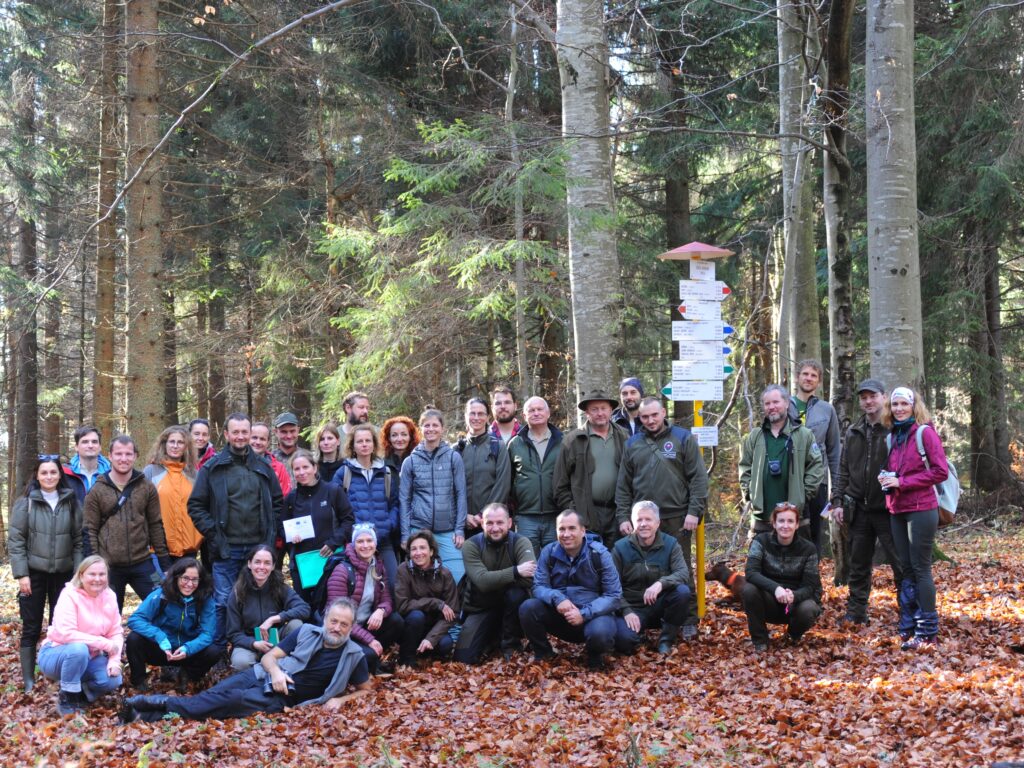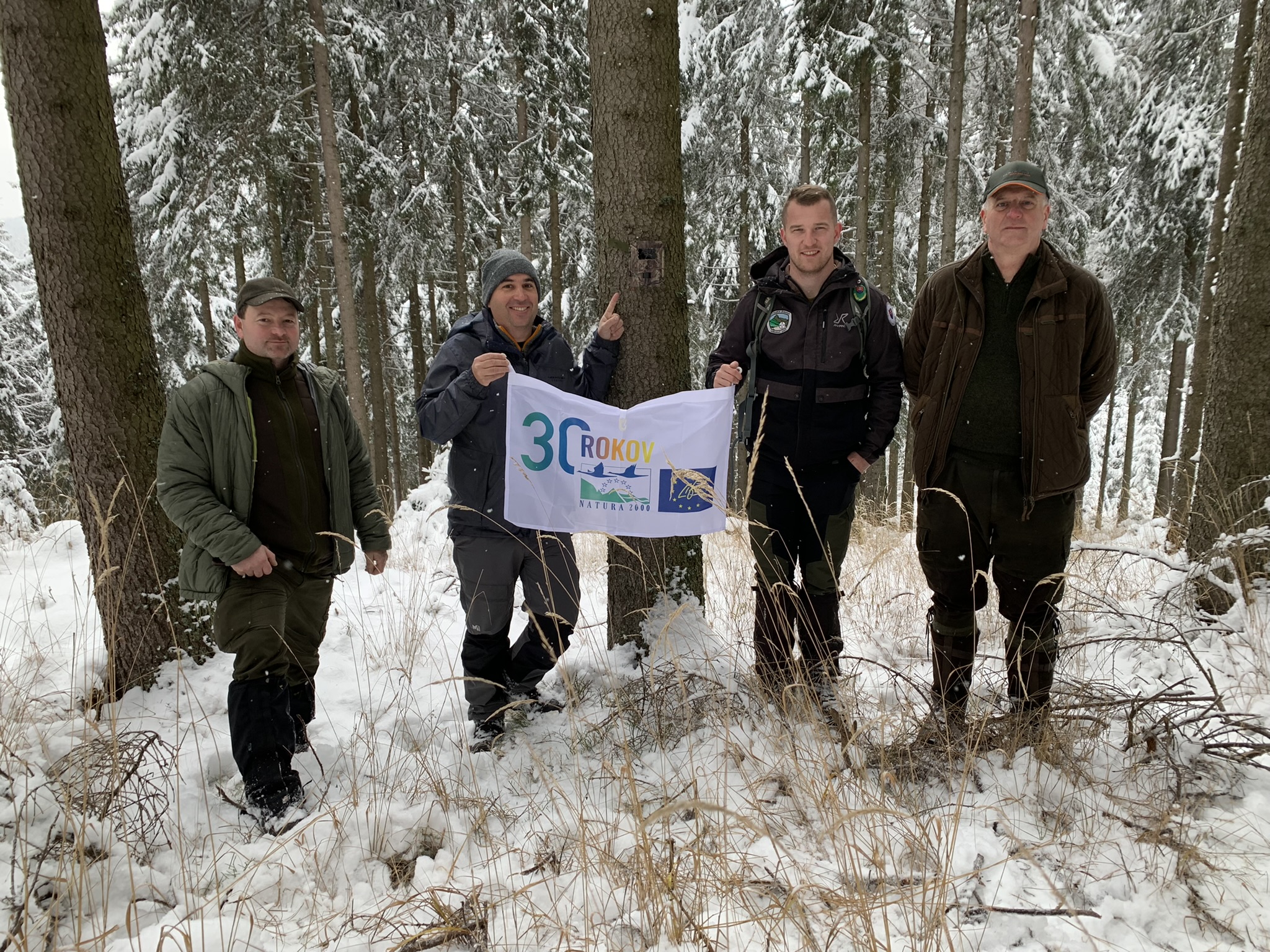
Since the beginning of the project, we have managed to:
Since the beginning of the project, we have managed to:
Since the beginning of the project, we have managed to:
feasibility studies and preparatory documents
methodologies and proposed measures
outputs for both professional and general audiences
indicator habitats and species / species complexes
trained professionals from the State Nature Conservancy of the Slovak Republic, Muránska Planina National Park, farmers, foresters, inspectors and agri-environmental advisors
schoolchildren learned about the Natura 2000 network
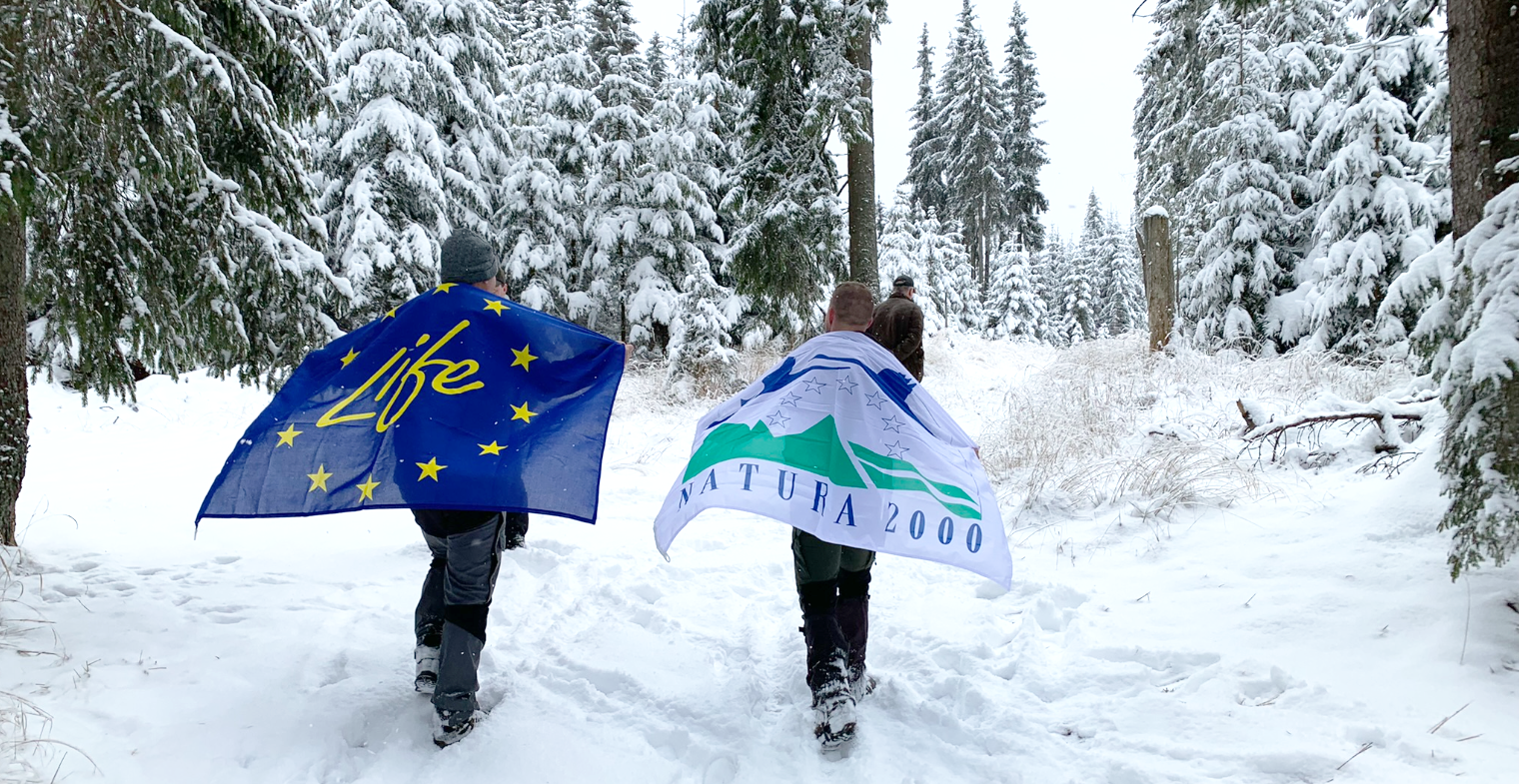
Preparatory actions
During the preparatory project activities, we worked on four major areas, focusing on the following tasks:
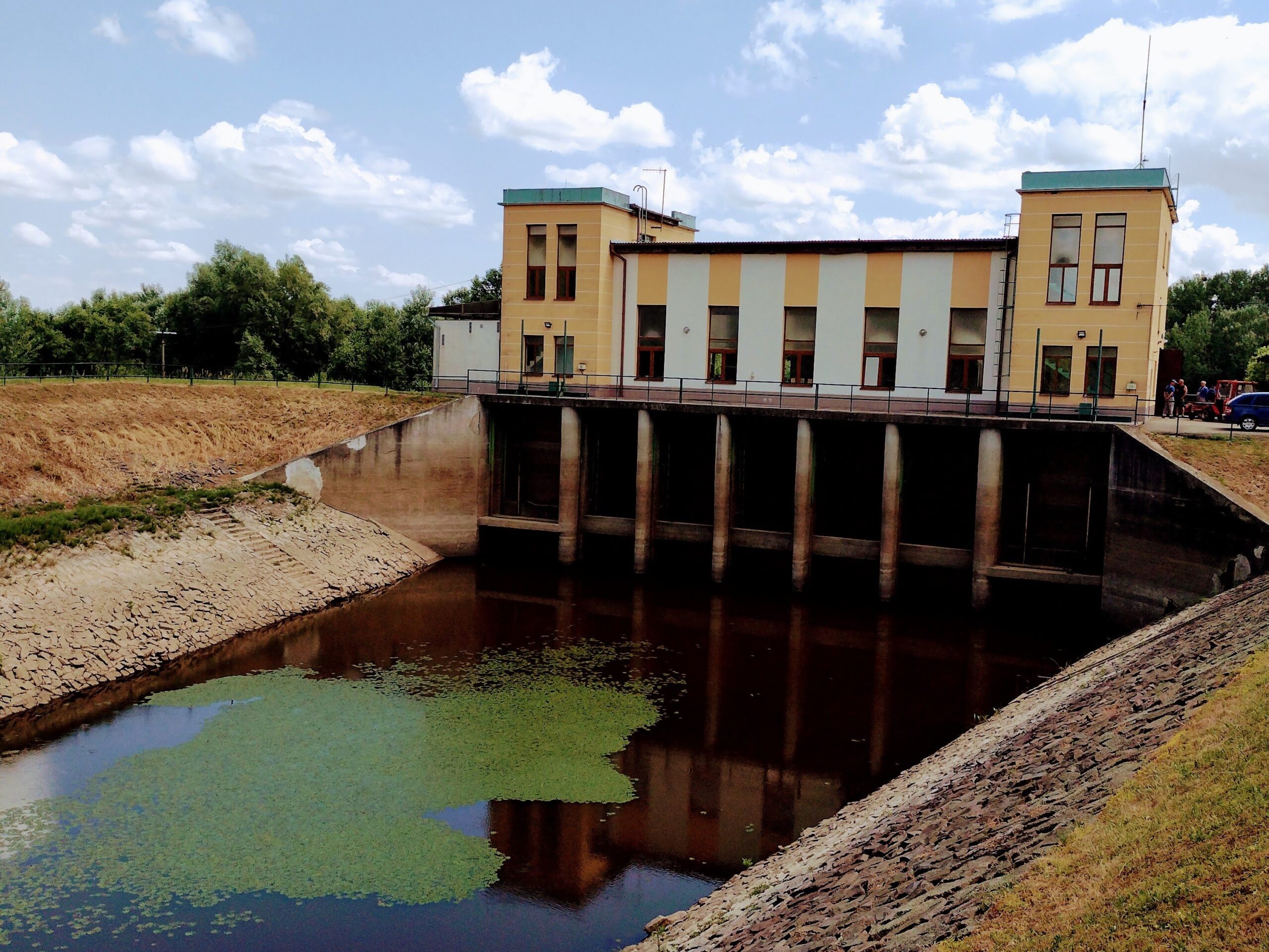
Concrete (conservation / implemetation) actions
During the project implementation phase, we have seven activities focusing on the introduction of specific management measures. This is what makes our project unique.
This is the most extensive project activity and is therefore divided into several sub-activities:
C.5.1 Protection and restoration of peatland habitats through management centres.
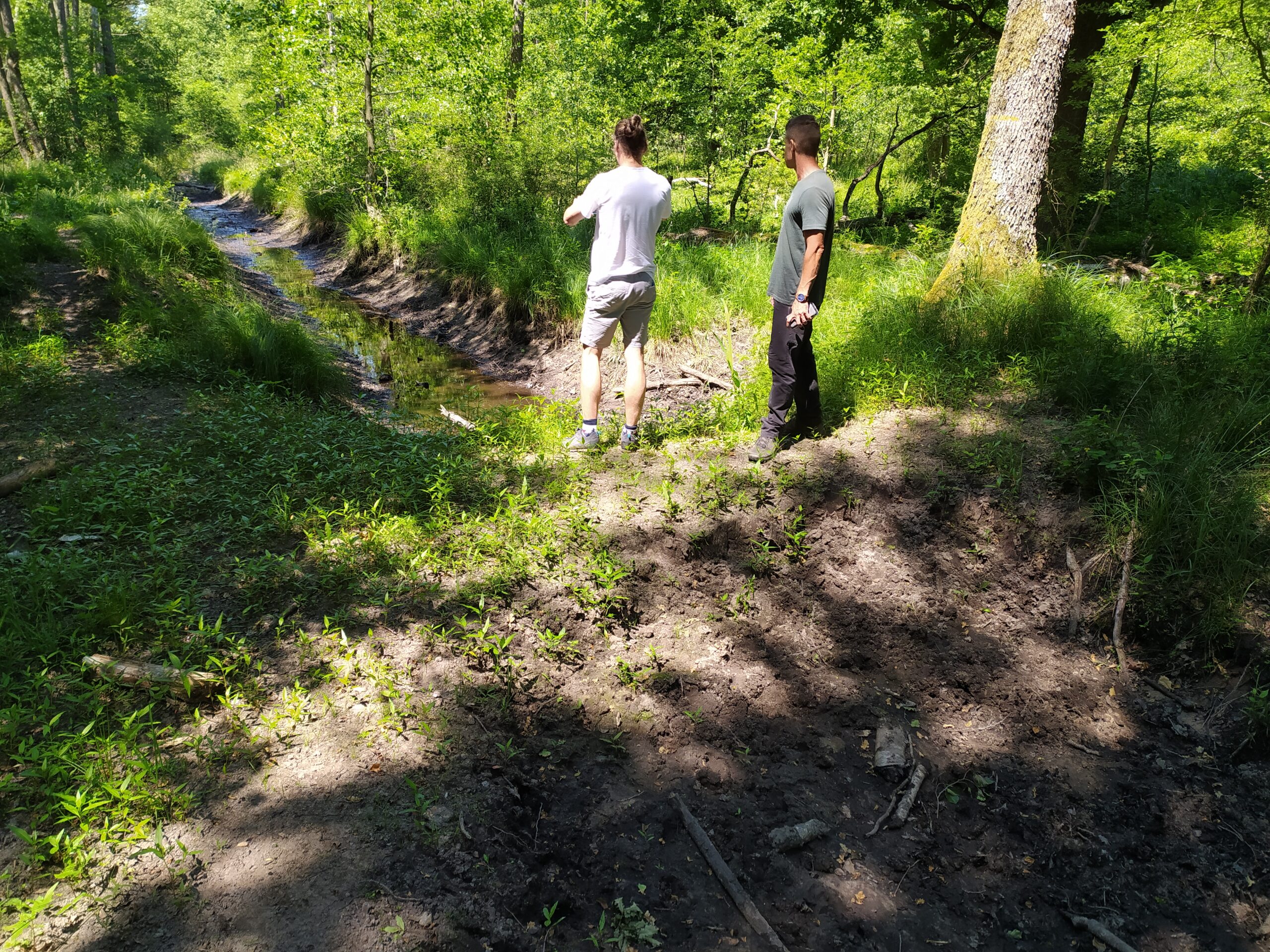
Small machinery was purchased for the management centres. Implemented measures included mowing with brushcutters and biomass removal in sites that were not heavily affected by succession. In areas where succession had progressed and shrubs and trees of various sizes had spread, these were removed using brushcutters and chainsaws. Additional staff and machinery such as a tractor or two-wheel tractor will soon help increase the efficiency of these works.
C.5.2 Establishment of agroforestry systems.
In the Záhorie and Poľana project areas, agroforestry systems were restored or established over 72.3 ha. At Vrchdetva in the Poľana area, management activities were carried out on 26.4 ha of juniper pastures to conserve the habitat Common Juniper Stands and restore sheep grazing, without which this habitat in Poľana would be at risk of disappearing. In the Záhorie area, new agroforestry systems were established on 45.9 ha of arable land at Rúbanice and Na dieloch. Old varieties of apple and pear trees are being mapped in the Poľana project area. Results were published in the Catalogue of old and traditional fruit tree varieties cultivated in the Podpoľanie region. New varieties were last added in January 2026 (Download tab). The NLC has started propagating seedlings of the mapped apple and pear varieties, which were used to establish a variety archive in Hriňová and at the NLC facility in Zvolen.
C.5.3 Integrated nature conservation and landscape management.
Poľana: We successfully restored the habitat for the European-important species Thesium ebracteatum in the Hradné lúky site (33.21 ha), exceeding the original target of 30 ha. A suitable location for a small water body (0.5 ha) was also selected, providing new habitats for the Eleocharis carniolica and various aquatic invertebrates. A lease agreement is currently being prepared.
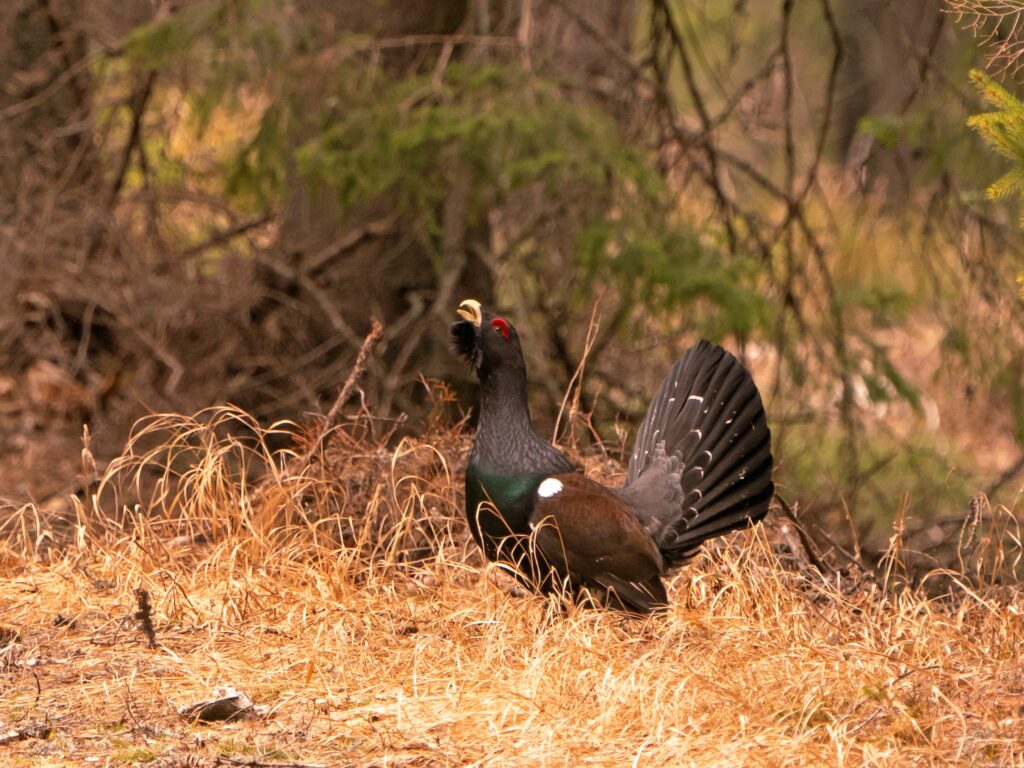
Muránska Planina: In cooperation with the hunting association Voniaca and Tisovec Municipal Forests, approximately 6.5 ha of meadows were restored for target species Maculinea arion and Parnassius apollo. Restoration included removal of encroaching trees and subsequent mowing in Martinkuľa, Tomovka, Dížďovnica, Voniaca, Vrbjarka meadows, and the Dielik quarry. Conditions were also improved for target species Anthus trivialis and Lanius collurio. For the protection of Pseudogaurotina excellens, over 110 ha of its habitats were mapped, marked in the field, and measures were implemented to protect its host plant, the black honeysuckle, during forestry activities. A specific hunting management plan has been designed and is being implemented in the Poľana and Muránska Planina areas to reduce predation by 30–40% on the Western Capercaillie (Tetrao urogallus) in these SCI sites (Download tab). Measures to improve Capercaillie habitat conditions continue, along with monitoring through field observations and camera traps.
Záhorie: Project documentation is being prepared for the restoration of the Morava River banks. An addendum to the feasibility study included the Hanšpíle (Rudava) site as a priority area for water regime restoration. In 2024, the spread of Robinia pseudoacacia was mapped and updated in the Kalaštovský bor and Kalaštovský potok nature reserves over 90 ha. This invasive tree will be removed.
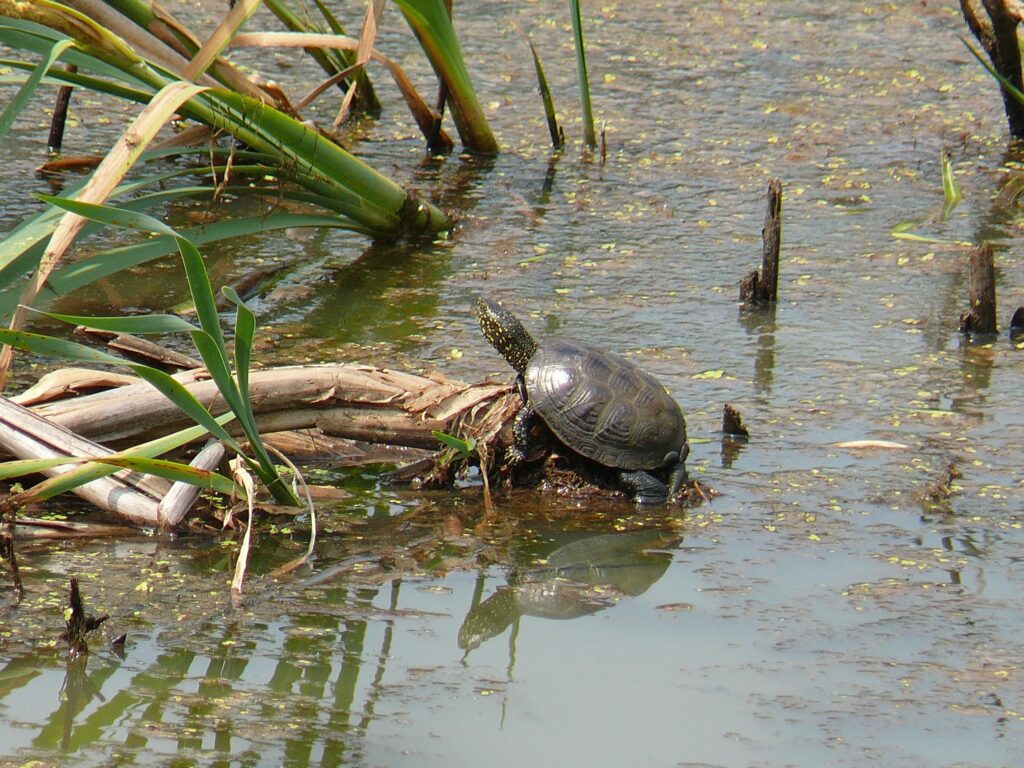
Latorica: Habitats for the European pond turtle (Emys orbicularis) were restored over 30 ha. Preparation for construction permits at the Tajba and Tice sites continues. Approvals for tree felling were obtained. The Chotárny canal was cleaned for water supply to the Tice branch. Manual clearing, removal of invasive species (Robinia pseudoacacia, Ailanthus altissima), and biomass collection were carried out over 12.09 ha in the Tarbucka PR, improving habitats for multiple protected plant and animal species.
Monitoring of the impact of the project actions
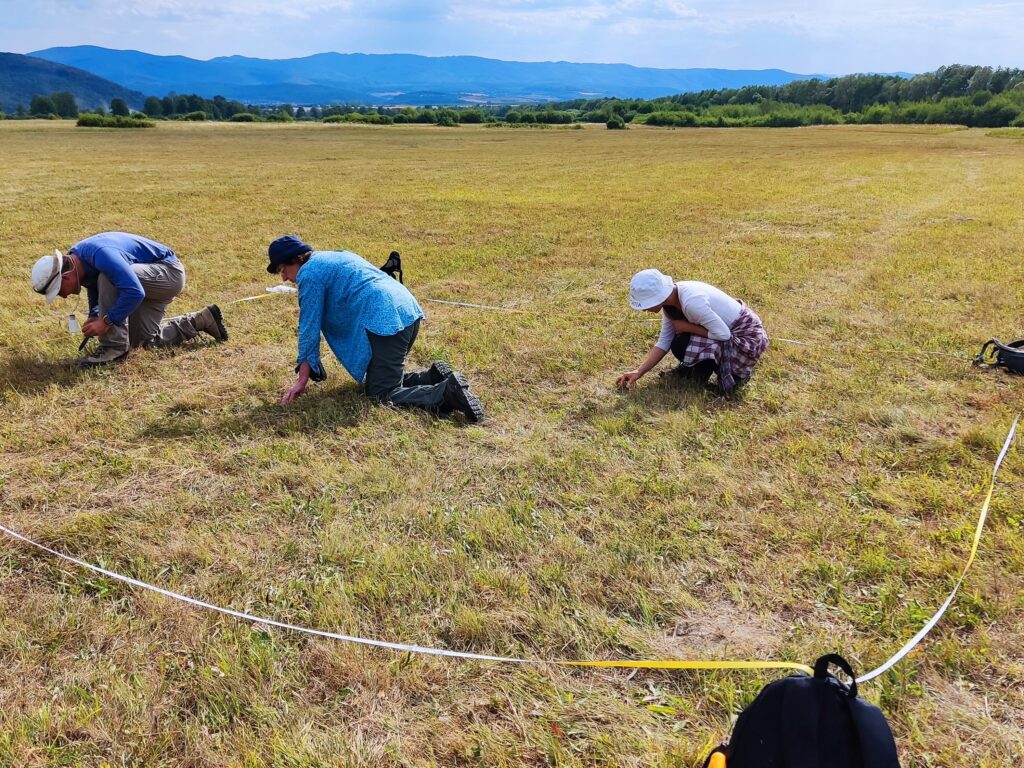
The monitoring phase has been ongoing practically since the beginning of the project, as it was necessary to monitor all parameters before the implementation of management measures. Within the monitoring framework, we focus on four activities:
Public awareness and dissemination of results
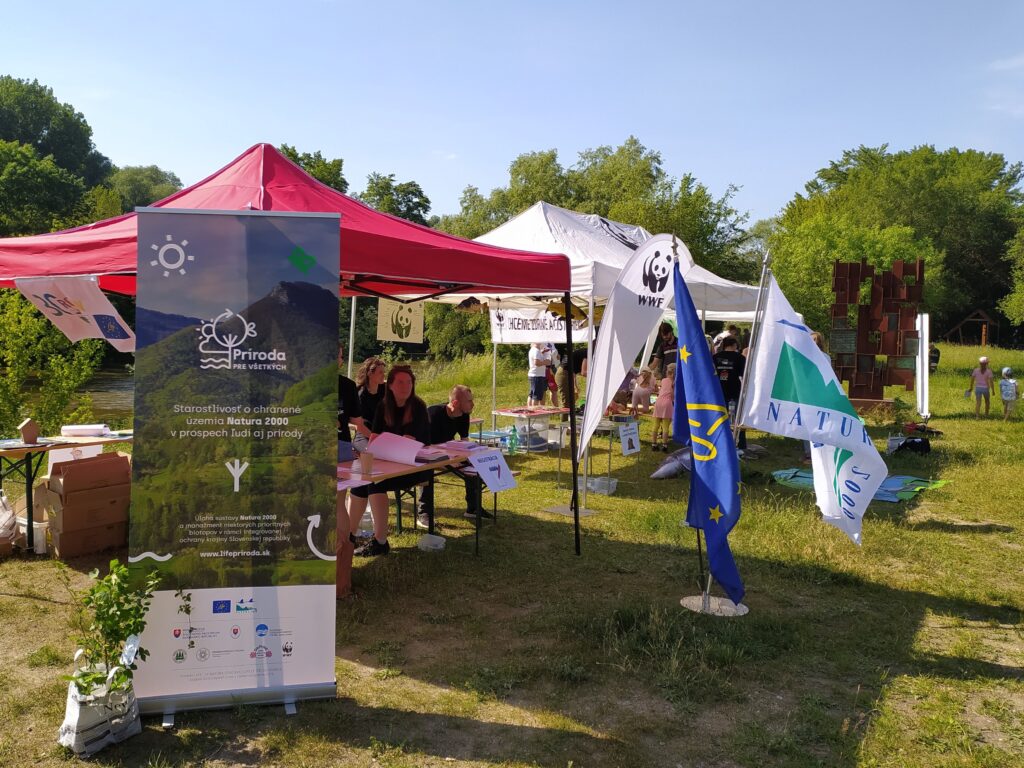
Raising public awareness of the Natura 2000 network and our project is one of our priorities. To ensure effective project communication and dissemination of its results, we focus on the following activities:
Project Management and monitoring of project progress
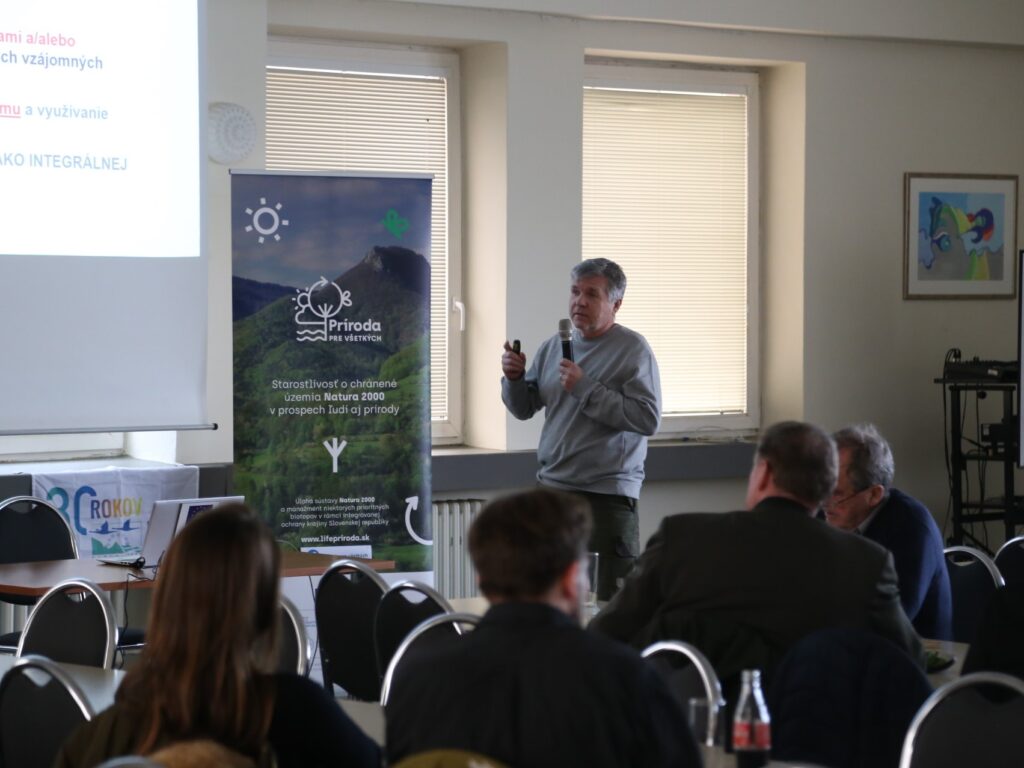
Project management is a crucial part of every project. Here, we focus primarily on coordination and supervision of activities: