
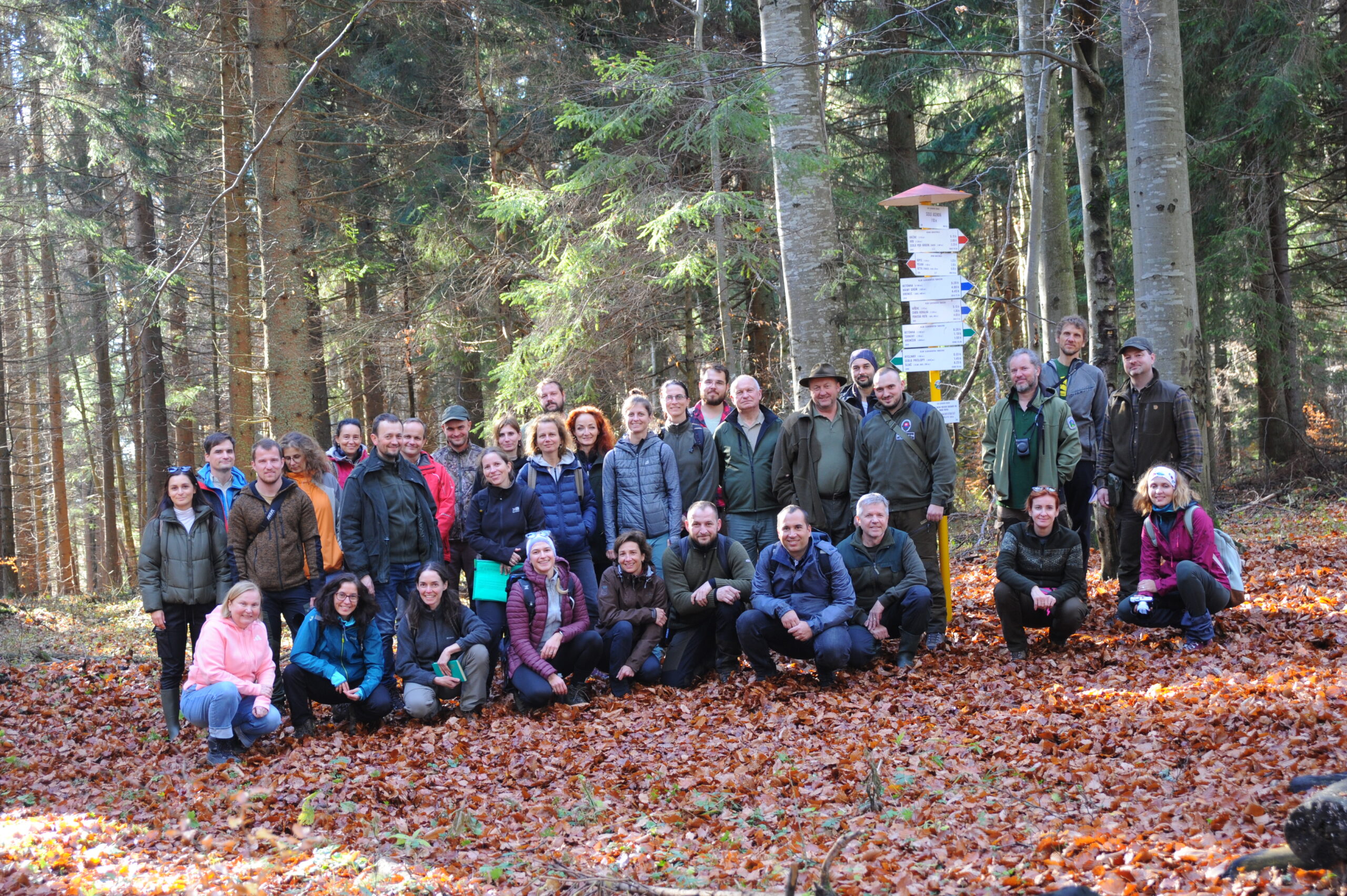
The LIFE IP NATURA 2000 project, whose full title is: "Role of the Natura 2000 network and management of some prioritized habitats in the integrated landscape protection of the Slovak Republic"
The LIFE IP NATURA 2000 project (full project title: Role of the Natura 2000 network and management of some prioritized habitats in the integrated landscape protection of the Slovak Republic) focuses mainly on the implementation of the Prioritised Action Framework (PAF) for Natura 2000 in Slovak Republic for the 2021-2027 period.
Prioritised Action Framework (PAF) is a strategic planning tool for 2021-2027 period, whose main objective is to give more complex overview of the measures and financial resources needed for the support of Natura 2000 network and associated green infrastructure. It is focused on the identification of actions that are directly connected with specific conservation measures established for Natura 2000 network locations. These actions are set to reach conservation targets for chosen species and habitats, that were determined as protected on the site level.
The main objective
of the LIFE Integrated Project is implementation of the PAF for Natura 2000 network in Slovakia 2021 – 2027, pursuant to Article 8 of the Habitats Directive 92/43/EEC. This goal shall enable us to achieve the Target 1 of the EU Biodiversity Strategy and general objectives of the EU Habitats and Birds Directives, with respect to the contribution towards improving conservation status of some specific and prioritised species and habitat types and may include also broader actions in the field of green infrastructure that contribute to better coherence of Natura 2000 network in a wider and cross-border context.
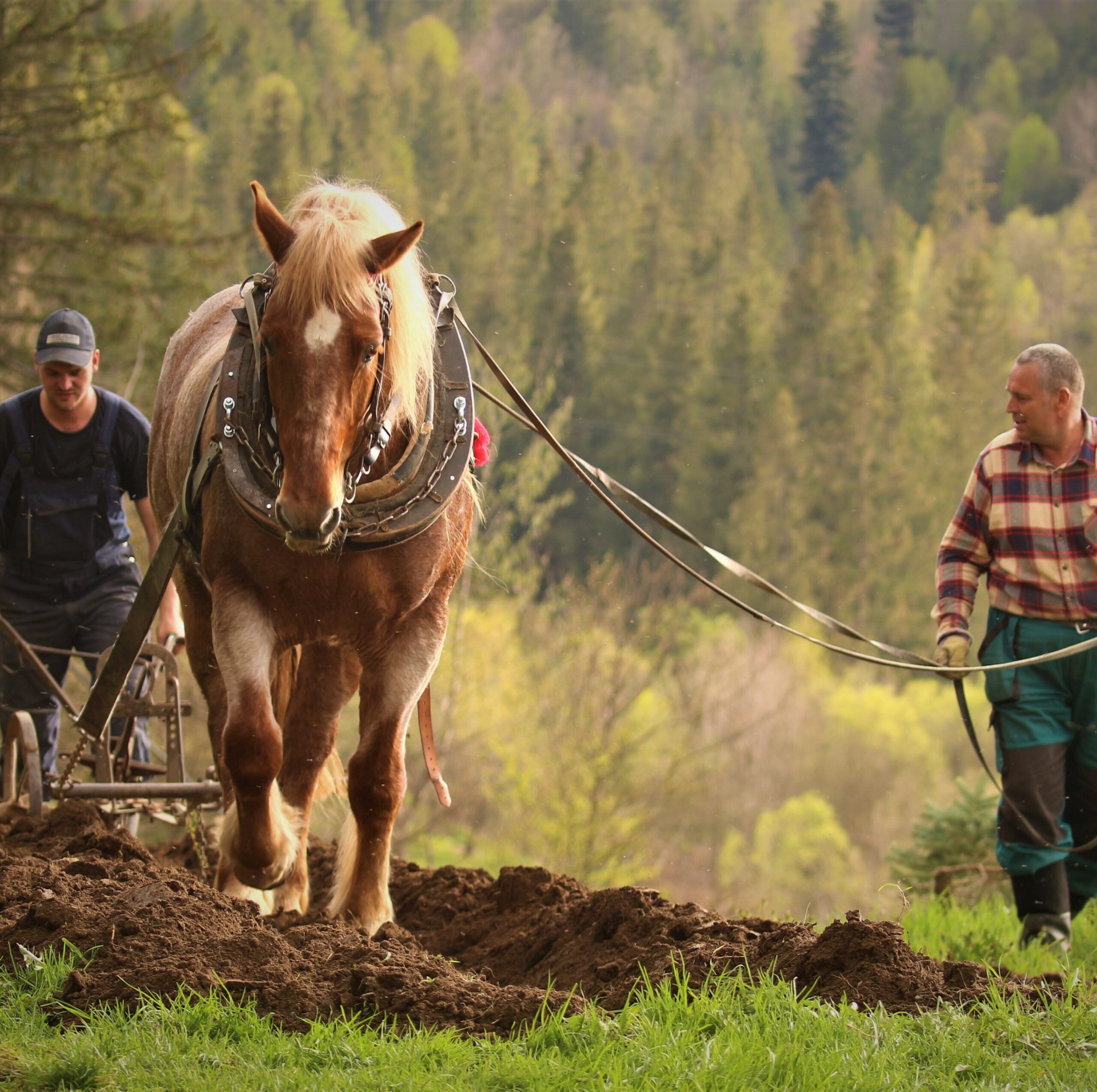
Specific objectives to be guaranteed by the project include
1
Ensure that conservation targets and management of Natura 2000 sites are set on a basis of sound data; and that existing data and methodological gaps in Natura 2000 sites management are filled.
2
Ensure that assessment of management effectiveness of measures and interventions is executed in Natura 2000 network.
3
Increase effectiveness and sufficiency of the monitoring system that provides data on biogeographical level for reporting.
4
Assess impacts of climate change on Natura 2000 network and propose mitigation measures and policy/management recommendations.
5
Coherence of Natura 2000 network is ensured through identifying ecological connectivity elements (ecological corridors, stepping stone habitats…) and applying measures for their protection through relevant policies and instruments.
6
Ensure conservation of chosen habitats (peatlands, meadows, etc.) through development of specialized management and restoration plans, its implementation and assessment.
7
Establish, test and evaluate agroforestry systems with demonstration character that would support threatened species and habitat types.
8
Restore habitats and implement specialised and integrated nature conservation and landscape management for selected highly threatened species (Tetrao Urogallus, Pseudogaurotina Excellens, Emys Orbicularis, Thesium Ebracteatum andMarsilea Quadrifolia).
9
Evaluate effectiveness and replicate experience and knowledge from demonstration sites through existing and new policy instruments including providing recommendations for EU funds programming.
10
Improve awareness and public acceptance of Natura 2000 among stakeholders and general public including awareness on ecosystem services provided by Natura 2000.
Project activities are divided into five actions:
Some of the most interesting activities of the project will include:
Spreading and replication of the knowledge (new techniques, for example agroforestry; and new environmental management styles) to new habitat locations through links in-between separate departments and other entities.
Better integration of nature and biodiversity protection targets into Strategic Agricultural Plan.
Implementation of specific conservational actions in demonstration sites and development of new managerial approaches through integrated land management including additional biotopes and species in the future.
New approaches to communication where cooperation of the various specialists and coordinating entities will work together on project’s locations.
Introduction of the “best practice” actions (for example, re-introduction of the peatlands management, clearing/planting of vegetation, river bank management, etc.).
New approach to monitoring and effectiveness assessment, with focus not only on common biological and socio-economic factors, but also economical and technical effectiveness of used monitoring methods.
Mitigation of the climate changes to Natura 2000 network.
Establishment of the new Peatland Management Centre; Agroforestry approach to forest management, etc.