Thanks to its natural values, Slovakia ranks among the most biodiverse countries in Europe.
The high diversity of all forms of life is largely determined by its geographical position at the interface between the Carpathians and the Pannonian Plain.
More than 11,000 plant species and over 28,000 animal species are known from the territory of Slovakia. The high biodiversity value of Slovakia is mainly due to the occurrence of a wide range of habitat types.
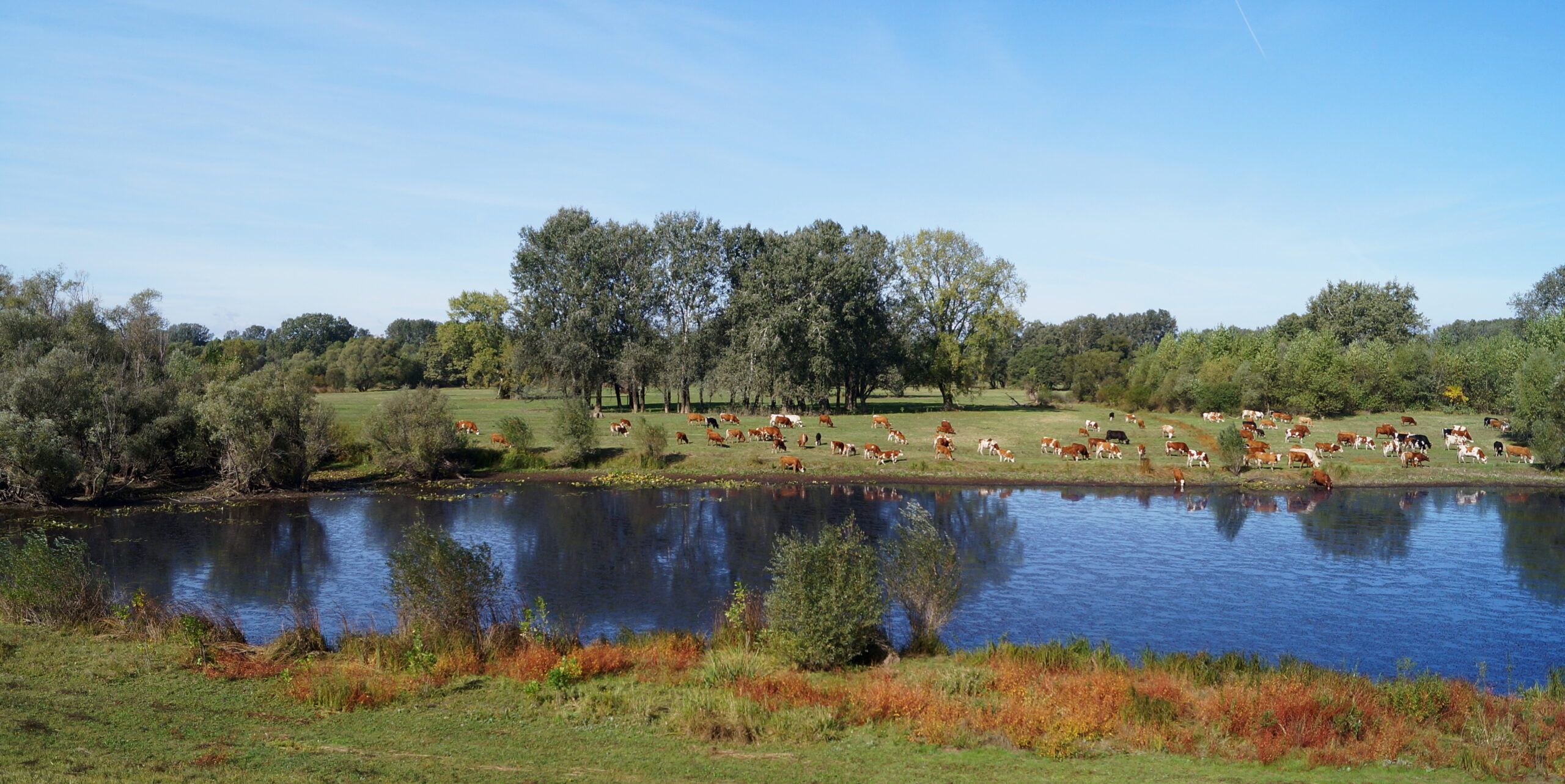
Forests cover more than 40 percent of the country’s territory, including extensive areas of well-preserved natural forest stands. The mosaic of the natural landscape is further shaped by shrublands, grasslands, and wetland habitats.
The loss of species and their habitats is a global problem that has also affected Slovakia. As a result of excessive use of natural resources, many plant and animal species have become extinct, many are threatened, or now occur only rarely or sporadically. In some cases, they are assessed as being on the verge of extinction.
11000
More than 11 000 plant species can be found in Slovakia
28000
And more than 28,000 animal species
40%
of the country’s territory is covered by forests
protected landscape areas
national parks
Slovakia is building a network of protected areas
Like other countries, Slovakia is developing a network of protected areas based on national criteria and national legislation.
Slovakia has 9 national parks, 14 protected landscape areas, and more than one thousand so-called small-scale protected areas.
Upon joining the European Union, Slovakia adopted the European nature conservation system through the establishment of a network of protected areas known as Natura 2000, creating new conditions for the protection of its valuable natural sites.